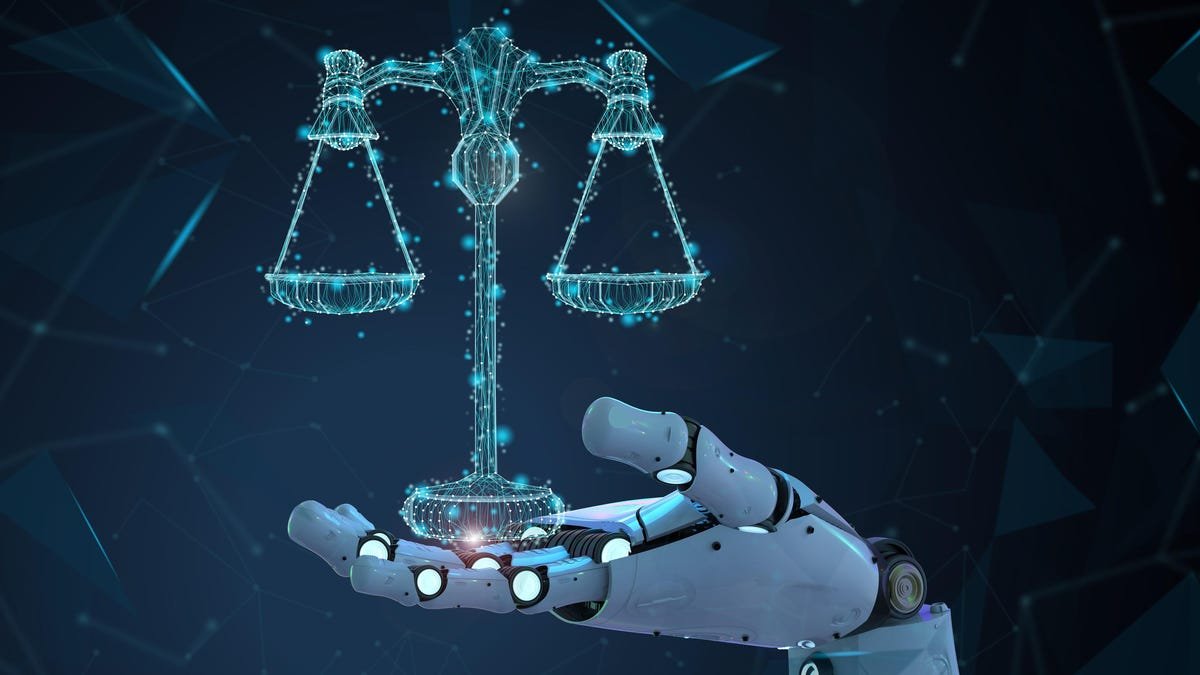
In today's interconnected world, the humble student ID card has undergone a quiet revolution. No longer just a physical piece of plastic, it's increasingly a digital credential, often generated online with impressive speed. But beneath the convenience and modern sheen of these generated student cards lies a complex web of Legality and Ethics of Generated Student Cards that fundamentally requires robust data safeguards. It’s a landscape where digital efficiency meets deeply personal information, creating both immense opportunities and significant responsibilities for educational institutions, tech providers, students, and parents alike.
The ease with which we can now generate student cards, whether for identification, access, or online verification, belies the sensitive data trails they represent and enable. From your name and photo to your library loan history and attendance records, these cards are often the physical or digital key to a treasure trove of personal information. Understanding the ethical tightropes and legal guardrails is paramount.
At a Glance: Navigating Student Data & Digital IDs
- Your Digital ID is a Data Gateway: Generated student cards, especially digital ones, are often linked to extensive student data profiles, not just basic identification.
- Privacy is Paramount: Protecting sensitive information—academic, behavioral, personal—from misuse or exposure is the cornerstone of ethical data management.
- Regulations Are Your Shield: Laws like FERPA (US), GDPR (EU), and COPPA (US, for children) provide legal frameworks for data protection that institutions must follow.
- Transparency Builds Trust: Students and parents have a right to know what data is collected, how it's used, and to provide informed consent.
- Robust Security Isn't Optional: Encryption, access controls, and regular audits are critical for preventing data breaches and cyber threats.
- Everyone Has a Role: From school administrators to individual students, vigilance and ethical practices are collective responsibilities.
The Digital ID Card: More Than Just Plastic (or Pixels)
Think about your student ID. It gets you into the library, lets you pay for lunch, verifies your enrollment for discounts, and might even track your attendance. Now, imagine a digital version, perhaps on your phone. This isn't just a static image; it's often a dynamic credential tied into various school systems. The very act of generating such a card, even a basic one, involves collecting and processing data about you.
This isn't just about your name and picture anymore. It's about a rapidly accumulating digital footprint that educational institutions use to personalize learning, track progress, and improve outcomes. But with great data comes great responsibility. The generation of a student card is often the very first step in this data journey, making the safeguards surrounding it critically important.
Why Every Digital Card Holds a Data Story
Every piece of information associated with a student, collected, stored, or processed by an educational institution, tells a part of their unique story. When a student card is generated, whether physically or digitally, it's drawing from this pool of data and, in turn, often acts as a key to accessing more.
Let's break down the types of student data at play:
- Demographic Data: Your age, gender, ethnicity – basic identifiers that help schools understand their student body.
- Academic Data: Grades, test scores, attendance records, homework submissions. This is the core of your educational journey, used to track progress and identify areas for support.
- Behavioral Data: Disciplinary actions, extracurricular activities, even patterns of online engagement within school platforms. This offers insights into a student's broader school life.
- Personal Data: Contact information, health records, disability accommodations, emergency contacts. This sensitive information is vital for safety and support but demands the highest level of protection.
Each data point, no matter how innocuous it seems, contributes to a comprehensive student profile. The importance of data ethics here can't be overstated. It's about protecting student privacy, building trust between students, parents, and institutions, and ensuring that data is used to genuinely enhance learning, not exploit or misguide.
The Pillars of Ethical Student Data Handling
When we talk about the legality and ethics of generated student cards, we're really talking about the ethical considerations inherent in all student data management. These aren't abstract concepts; they are the bedrock principles that ensure data serves students rather than compromises them.
Accuracy and Reliability: The Foundation of Trust
Imagine your student card, generated with incorrect information. Perhaps your name is misspelled, or your ID number is wrong. This simple error can cascade, leading to misidentified records, incorrect grades, or denied access. Ensuring the data used to generate cards and associated with your profile is consistently accurate and reliable is fundamental. Flawed data leads to flawed decisions.
Privacy and Confidentiality: Protecting the Personal Story
This is perhaps the most critical ethical pillar. Student data is inherently sensitive. Protecting this information means safeguarding it from misuse, unauthorized access, or exposure. This isn't just about preventing hackers; it's also about ensuring that internal staff only access data relevant to their specific role and that data isn't shared inappropriately, even with well-meaning intentions. A student's health records, for instance, should never be accessible via their general student ID account or shared without explicit, informed consent.
Avoiding Bias: Ensuring Fair Representation
Data collection and analysis, if not carefully managed, can perpetuate or even amplify existing biases. If the data used to inform decisions about student support, discipline, or even academic pathways is biased���perhaps disproportionately flagging certain demographic groups—it can lead to unfair outcomes. Ethical data management demands constant vigilance against bias in how data is collected, categorized, and interpreted, ensuring all students are treated equitably.
Transparency and Consent: The Right to Know
Students and parents have an undeniable right to know what data is being collected about them, why it's being collected, how it will be used, and who will have access to it. This requires clear, understandable communication, not dense legal jargon. Informed consent means giving individuals a genuine choice about whether their data can be used in certain ways, along with easily accessible opt-out mechanisms. Without transparency, trust erodes, and individuals lose control over their own digital identities.
Balancing Benefits with Privacy: The Data Tightrope
The power of student data to inform personalized learning, identify at-risk students, and enhance educational outcomes is immense. However, this must be balanced with the imperative to minimize individual privacy risks. Techniques like anonymization (removing direct identifiers) and aggregation (combining data so individual patterns aren't visible) are crucial tools. The goal isn't to avoid data, but to leverage its insights while rigorously protecting the individual. Over-reliance on data can also have negative impacts, potentially leading to "teaching to the test" or undue stress if data metrics become the sole focus.
Navigating the Regulatory Labyrinth: Legal Guardrails
Beyond ethical principles, strict legal frameworks govern how student data is handled. Compliance isn't optional; it's a legal mandate with significant consequences for violations.
- FERPA (Family Educational Rights and Privacy Act) in the US: This landmark federal law protects the privacy of student education records. It grants parents (and eligible students) rights over their education records, including the right to inspect and review them, request corrections, and control disclosures. Institutions receiving federal funds must comply.
- GDPR (General Data Protection Regulation) in the EU: While broader, GDPR has significant implications for educational institutions that process the personal data of individuals in the EU, regardless of where the institution is located. It sets high standards for consent, data access, and the right to be forgotten.
- COPPA (Children's Online Privacy Protection Act) in the US: Specifically targets the online collection of personal information from children under 13. This is highly relevant when schools use educational apps or platforms, requiring parental consent before collecting data from young students.
These regulations dictate everything from data retention policies to how data breaches must be reported, forming the legal backbone for ethical data practices surrounding generated student cards and all associated information.
Who Holds the Keys? Stakeholders and Their Responsibilities
Ensuring the legality and ethics of generated student cards is a shared responsibility, a collaborative effort involving several key players:
- Educational Institutions: The primary data custodians. They are responsible for collecting, storing, processing, and protecting student data. This includes establishing robust data governance policies, training staff, and ensuring full compliance with all relevant data protection laws. Their role is central to safeguarding the integrity of the data tied to every generated card.
- Teachers and Educators: At the front lines of data use, educators utilize student data to inform instruction, track progress, and tailor learning experiences. They must be trained not only in how to use data effectively but also in how to do so ethically, respecting privacy and avoiding bias.
- Students and Parents: The ultimate data subjects. They have fundamental rights: to access their personal data, correct inaccuracies, and control how it's used. Empowering students and parents with data literacy and easy access to their information is crucial for fostering trust and accountability.
- Regulatory Bodies: Agencies like the U.S. Department of Education (for FERPA) or data protection authorities (for GDPR) oversee compliance, investigate complaints, and issue guidance. They act as watchdogs, ensuring institutions adhere to legal requirements.
Crafting a Shield: Best Practices for Data Safeguards
Given the complexities, what practical steps can institutions take to ensure generated student cards and the data they represent are handled ethically and legally?
Robust Data Governance Policies: The Playbook
Every institution needs a clear, comprehensive playbook for student data. This means establishing explicit policies and procedures for every stage of the data lifecycle: collection, storage, processing, sharing, and eventual deletion. Define clear roles and responsibilities for data management—who is accountable for what?—and ensure these policies are regularly reviewed and updated to reflect evolving laws and technologies.
Transparency and Accountability: Open Books, Open Dialogue
Foster a culture where data practices are not just compliant, but openly communicated. Clearly explain to students and parents why data is collected (e.g., "to personalize your learning experience," "to ensure campus safety"), what data is gathered, and how it's protected. Provide easy ways for them to access and correct their data. Promote data literacy among all staff, so everyone understands their role in protecting student information. Accountability means having clear consequences for policy violations and a mechanism for reporting concerns.
Data Security Measures: Building the Digital Fortress
This is where technical safeguards become critical. Preventing data breaches and cyber threats requires a multi-layered approach:
- Encryption: Sensitive data, whether it's stored on a server (data at rest) or being transmitted across networks (data in transit), must be encrypted. This scrambles the information, making it unreadable to unauthorized parties.
- Access Controls: Implement strict "least privilege" access. Only individuals who need access to specific data for their job function should have it. This means robust authentication mechanisms (strong passwords, multi-factor authentication) and regular reviews of access permissions.
- Regular Security Audits and Risk Assessments: Proactively identify vulnerabilities. Penetration testing and security audits can expose weaknesses before malicious actors do. Regularly assess the risks associated with various data processing activities.
- Incident Response Planning: Have a clear, practiced plan for what to do if a data breach occurs. This includes immediate containment, notification protocols (to affected individuals and regulatory bodies), and forensic analysis to prevent recurrence.
Education and Training: Empowering the Human Firewall
Technology is only part of the solution. The human element is often the weakest link. Regular, comprehensive training for all educators and staff on data protection laws (like FERPA and GDPR), security best practices, and the ethical implications of data-driven decision-making is non-negotiable. This training should be ongoing, not a one-time event, and tailored to different roles within the institution.
Data Minimization: Only What's Necessary
A core principle of ethical data management is to collect only the data that is absolutely necessary for a stated purpose. Resist the urge to collect "just in case" data. If a piece of information isn't crucial for a specific, legitimate educational function, it shouldn't be collected. This reduces the attack surface and the potential harm if a breach occurs.
Advanced Privacy Techniques: The Cutting Edge
For highly sensitive data or when conducting research, institutions can employ advanced techniques like differential privacy. This mathematical modeling adds a controlled amount of "noise" to datasets, making it extremely difficult to identify individual students while still allowing for accurate aggregate analysis. It provides a quantifiable notion of privacy, ensuring that including or excluding any single individual's data doesn't significantly affect the overall analysis outcomes, thus minimizing re-identification risk. When you consider how easy it is to create your student ID online, it underscores the need for these robust back-end systems that can integrate such advanced safeguards.
Addressing the "What Ifs": Common Questions & Misconceptions
Q: Are digital student cards inherently less secure than physical ones?
A: Not necessarily. While physical cards can be lost or stolen, digital cards face different threats (cyberattacks, unauthorized digital access). However, digital cards can also incorporate stronger security features like multi-factor authentication, encryption, and remote disabling. The security depends entirely on the robust backend systems and practices implemented.
Q: Can schools share my child's data with third-party apps or vendors?
A: Generally, yes, but with significant restrictions and usually requiring consent. Under FERPA, schools can disclose directory information (like name and address) unless parents opt out. For non-directory information or if a third-party service collects personal data, explicit parental consent is often required, especially for children under 13 (COPPA). Contracts with vendors must also mandate strong data protection.
Q: What if I find incorrect information on my student record or generated card?
A: You (or your parents, if you're under 18) have the right to request an inspection of your education records and ask for corrections if you believe they are inaccurate, misleading, or violate your privacy rights. Institutions must have a clear process for handling such requests.
Q: Does my school track everything I do online if I use their Wi-Fi or devices?
A: Schools often monitor network traffic for security purposes, to enforce acceptable use policies, and for content filtering. However, general "tracking everything" without clear purpose, consent, and transparency is ethically problematic and potentially illegal depending on what data is collected and how it's used. Policies should be clear about what is monitored and why.
Q: Can AI use my student data for decision-making?
A: Yes, AI and machine learning are increasingly used in education. For instance, AI might identify students at risk of falling behind or personalize learning paths. However, this raises critical ethical concerns about algorithmic bias, transparency in decision-making, and the "black box" nature of some AI systems. Institutions must ensure AI use is fair, explainable, and does not lead to discriminatory outcomes.
Beyond Compliance: Building a Culture of Trust
Simply ticking off compliance boxes isn't enough. The true essence of ethical data management for generated student cards and all student data lies in fostering a pervasive culture of trust. This means moving beyond minimum legal requirements to proactively embed ethical considerations into every decision. It requires leadership from the top, ongoing education at every level, and a genuine commitment to putting student well-being and privacy first.
This culture champions a "privacy by design" approach, where privacy considerations are integrated into the very conception and development of new systems, like online student card generators, rather than being an afterthought. It also means regular engagement with students and parents, making them active partners in the data governance process, not just passive subjects.
Your Role in the Data Ecosystem: A Call to Action
The digital student card is a powerful tool, a gateway to convenience and personalized learning. But its power must be wielded with care and foresight.
- For Educational Institutions: Prioritize robust data governance, invest in state-of-the-art security, and cultivate a culture of transparency and accountability. Make data ethics a core component of professional development.
- For Students and Parents: Be informed. Read privacy policies, ask questions about data collection, understand your rights under FERPA, GDPR, and COPPA, and exercise your right to access and correct your data.
- For Tech Providers: Design student information systems and card generation tools with privacy and security as default settings. Build in transparency features and make consent mechanisms easy to understand and use.
The intersection of generated student cards and data privacy isn't just a technical challenge; it's a societal one. By embracing strong ethical principles and rigorous legal compliance, we can ensure that these powerful tools serve to empower and protect, rather than inadvertently compromise, the next generation of learners.